Effective Lawn Aeration to Boost Grass Growth
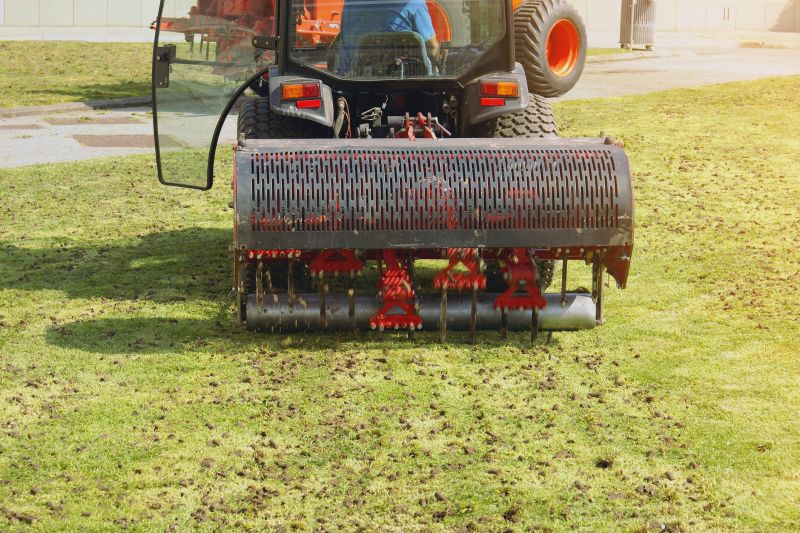
A professional uses specialized equipment to perforate the soil, improving turf health.
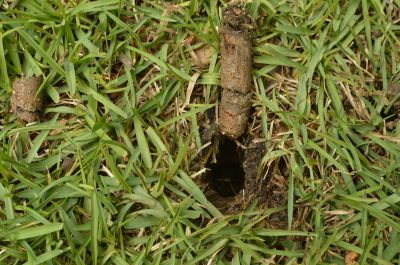
The process involves removing plugs of soil to reduce compaction and promote growth.
The lawn shows signs of compacted soil and uneven growth before aeration.
The lawn begins to recover with improved soil conditions and healthier grass.
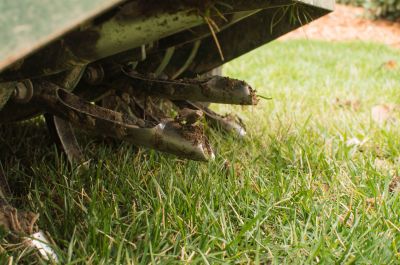
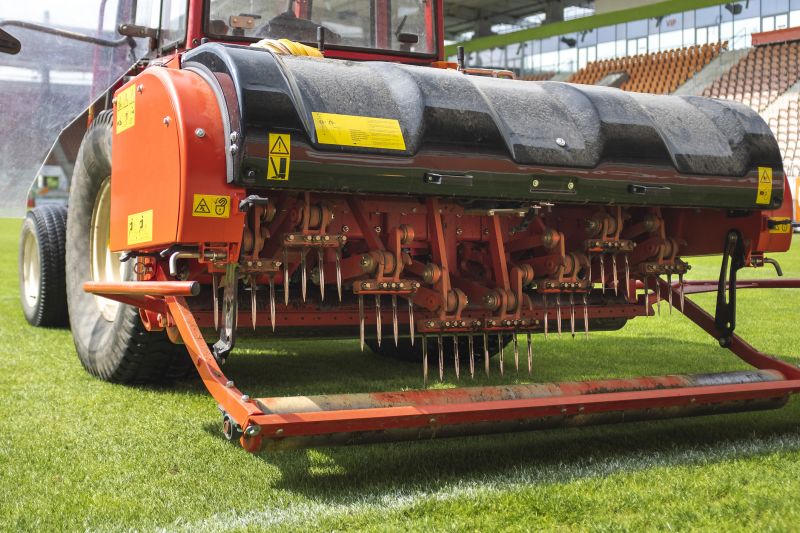
Proper setup of aeration machinery ensures efficient and even soil perforation.
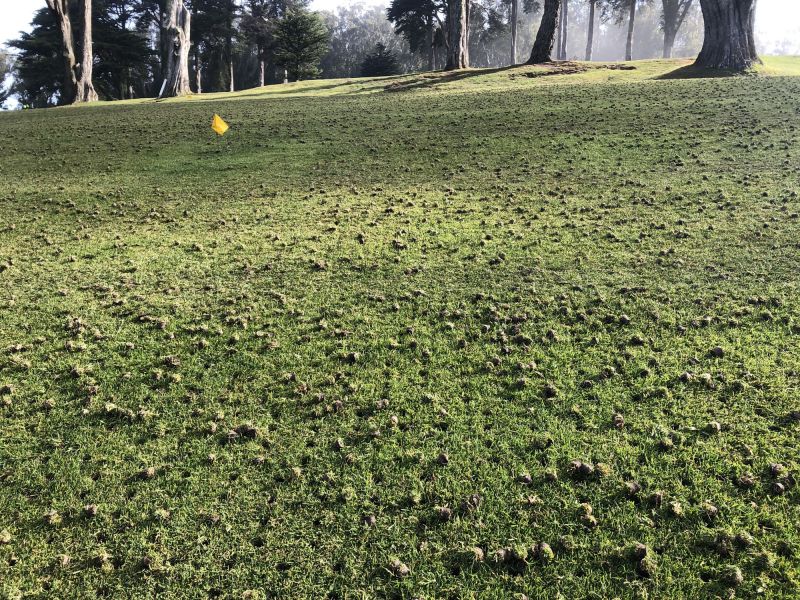
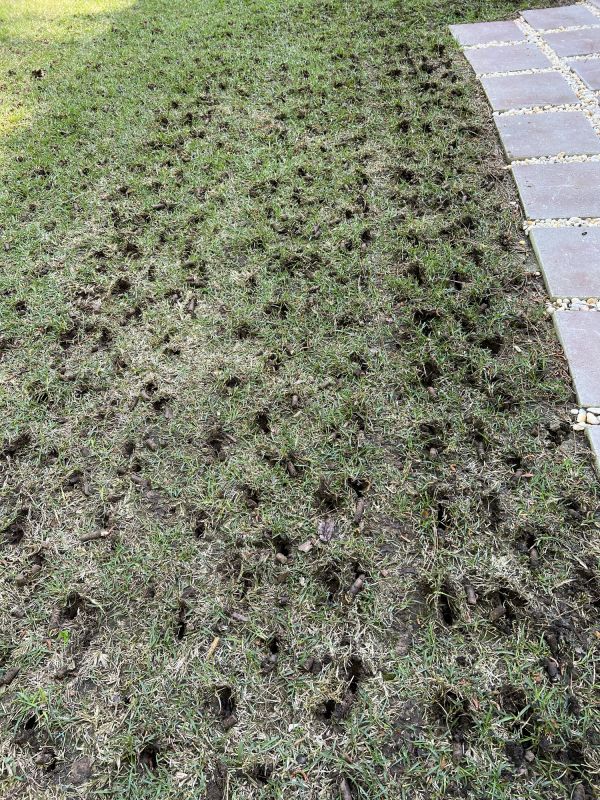
Visible holes indicate successful aeration, ready for overseeding or fertilization.
| Benefit | Description |
|---|---|
| Improves Soil Drainage | Aeration helps excess water drain more efficiently, reducing water pooling. |
| Enhances Nutrient Absorption | Creates channels for nutrients to reach roots more effectively. |
| Reduces Soil Compaction | Loosens compacted soil, allowing roots to grow deeper and stronger. |
| Stimulates Root Growth | Encourages the development of a robust root system for a healthier lawn. |
| Prevents Thatch Buildup | Helps break down thatch layers, improving turf health. |
| Increases Resilience | Strengthens the lawn against drought, pests, and diseases. |
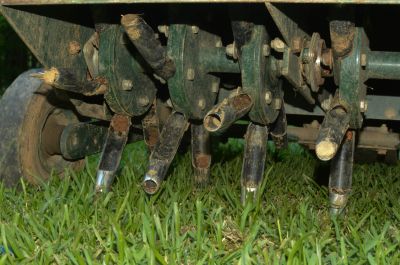
Detailed view of aeration tines penetrating the soil.
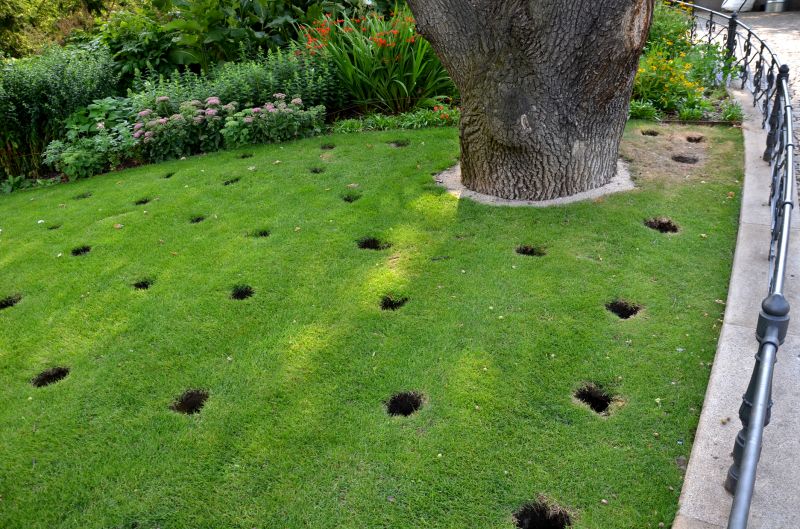
A vibrant, healthy-looking lawn following the aeration process.
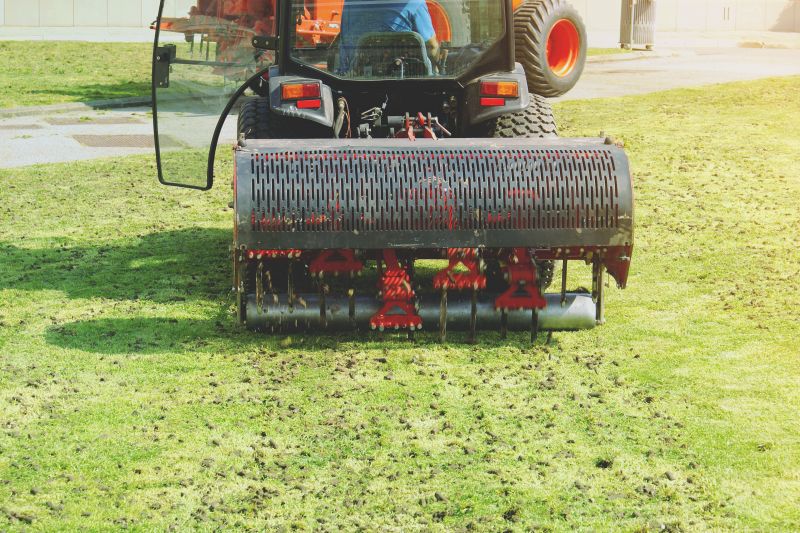
Close-up of soil plugs left on the turf after aeration.
Technician operating aeration machinery across a residential yard.
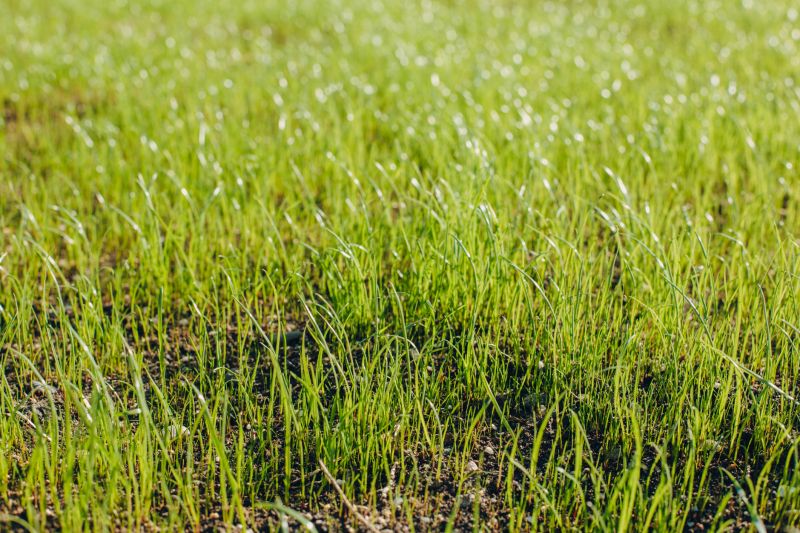
Lawn showing signs of revitalization after aeration and overseeding.
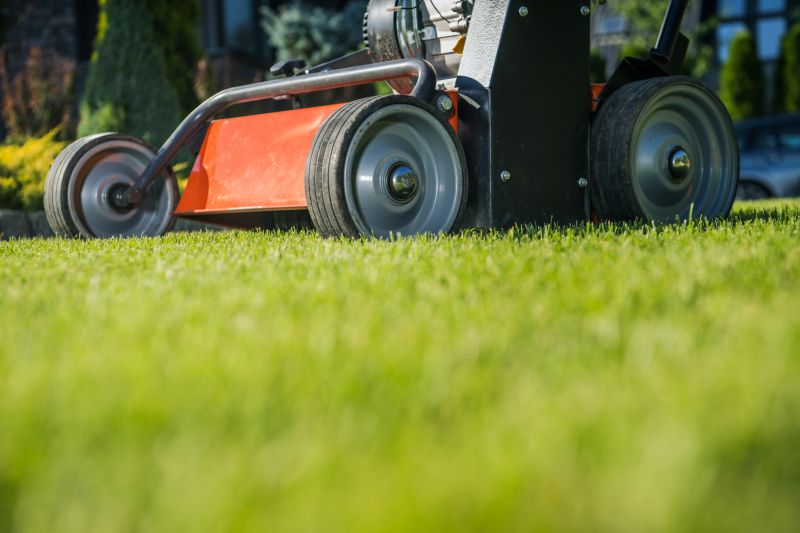
Various tools used in professional lawn aeration services.
| Process Step | Description |
|---|---|
| Assessment | Initial evaluation of soil condition and lawn health. |
| Preparation | Clearing debris and marking sprinkler heads or obstacles. |
| Aeration | Using mechanical or manual tools to perforate the soil. |
| Post-Aeration Care | Applying fertilizers, overseeding, or topdressing. |
| Monitoring | Observing lawn recovery and health over time. |
The lawn aeration process begins with a thorough assessment of soil conditions and lawn health. Technicians identify areas that require more attention and prepare the site by removing debris and marking obstacles. Using specialized equipment, small holes are created in the turf to relieve compaction and improve soil aeration. The process typically involves removing soil plugs, which are left on the surface to decompose naturally. After aeration, additional treatments such as overseeding, fertilizing, or topdressing can be performed to enhance lawn recovery. Proper timing, usually during active growing seasons, ensures optimal results. The entire process is designed to promote a healthier, more resilient lawn capable of withstanding environmental stresses.
Hiring a residential lawn aeration landscaper offers many advantages. Professionals possess the expertise to evaluate soil conditions and determine the appropriate aeration techniques. They use specialized equipment to ensure even and effective perforation without damaging the turf. Experienced landscapers can also recommend complementary treatments like overseeding or fertilization to maximize lawn health. The timing of aeration is crucial, and professionals know the optimal seasons for different grass types. Additionally, hiring experts saves time and effort, ensuring the job is done efficiently and correctly. Proper aeration by a skilled landscaper can lead to a lush, healthy lawn that requires less maintenance over time.
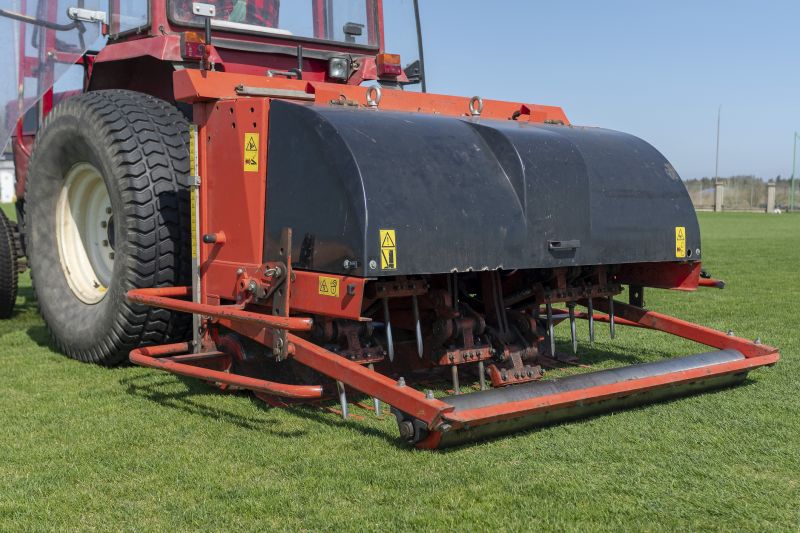
A professional uses specialized equipment to perforate the soil, improving turf health.
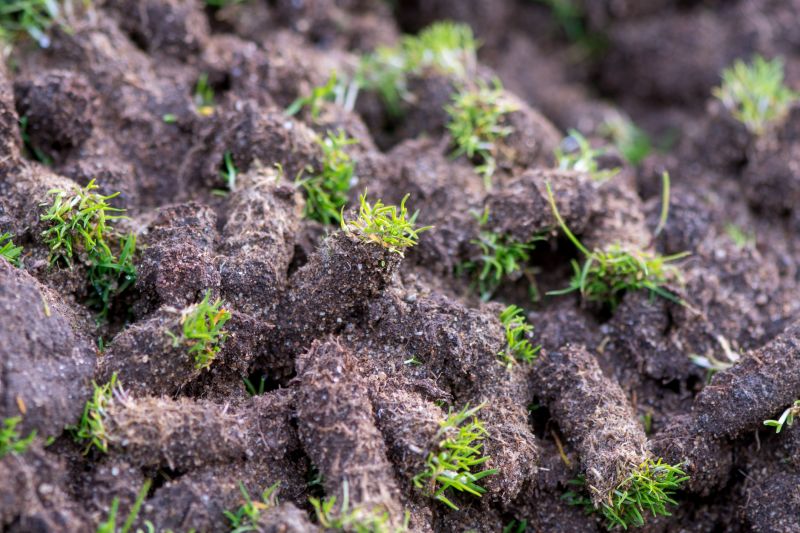
The process involves removing plugs of soil to reduce compaction and promote growth.
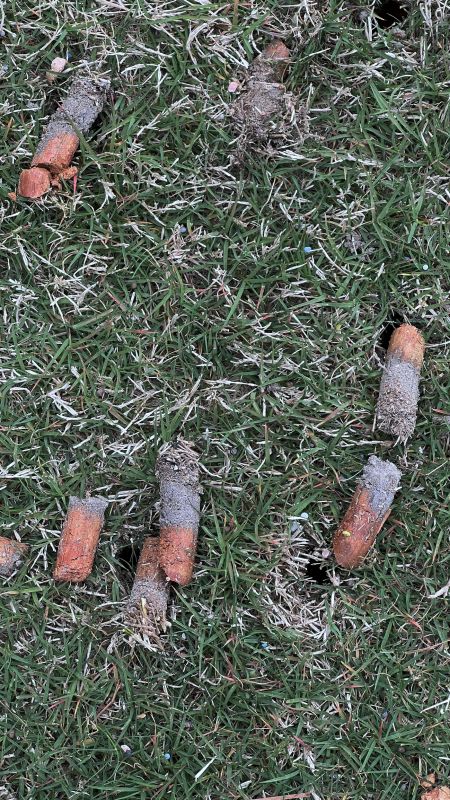
The lawn shows signs of recovery after aeration and overseeding.
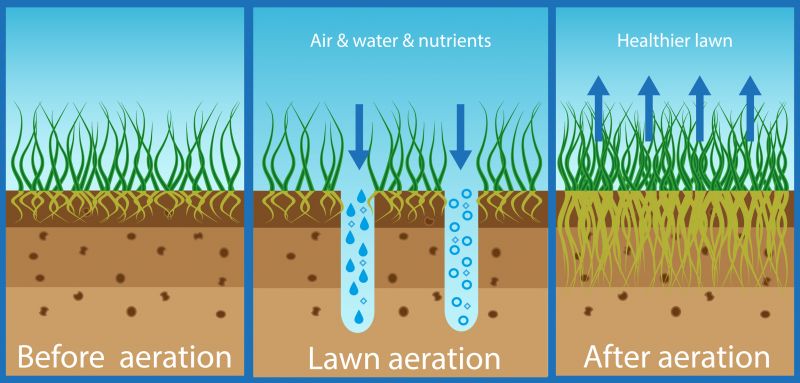
Proper lawn aeration is essential for maintaining a healthy and vibrant turf. The process involves mechanically perforating the soil to alleviate compaction and facilitate better air, water, and nutrient movement. Timing the aeration during the active growing season ensures the grass can recover quickly. Experts evaluate soil type, moisture levels, and lawn condition to determine the best approach. They carefully operate equipment to create uniform holes, avoiding damage to existing landscaping features. Post-aeration treatments, such as fertilization or overseeding, can further enhance lawn quality. Regular aeration helps prevent issues like thatch buildup and soil compaction, promoting a lush and resilient yard.
Engaging a professional landscaper for residential lawn aeration provides access to expert knowledge and quality equipment. This ensures the process is performed efficiently and effectively, reducing the risk of turf damage. Professionals can tailor the aeration schedule and techniques to suit specific grass types and soil conditions. Their experience helps maximize the benefits of aeration, leading to a healthier, thicker lawn. Additionally, they can advise on complementary lawn care practices to support ongoing turf vitality. Investing in professional aeration can result in a more attractive and durable yard, with less effort required for maintenance over time.
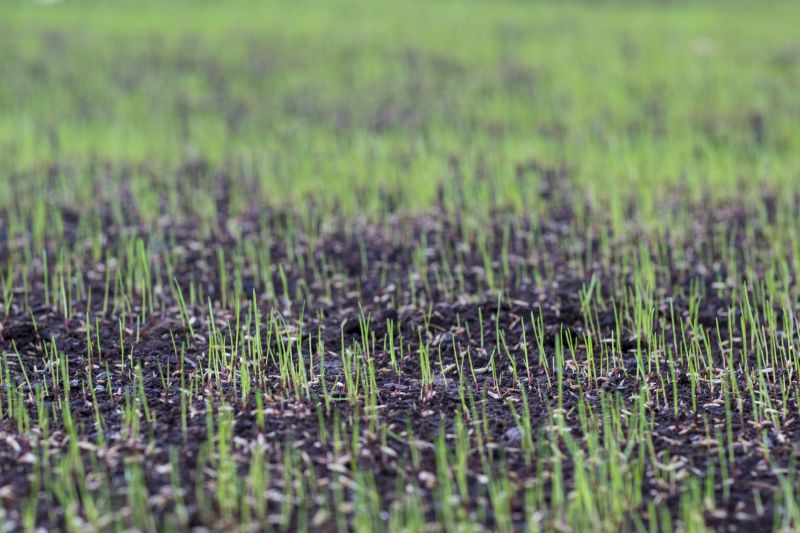
A lush, healthy lawn following professional aeration and overseeding.
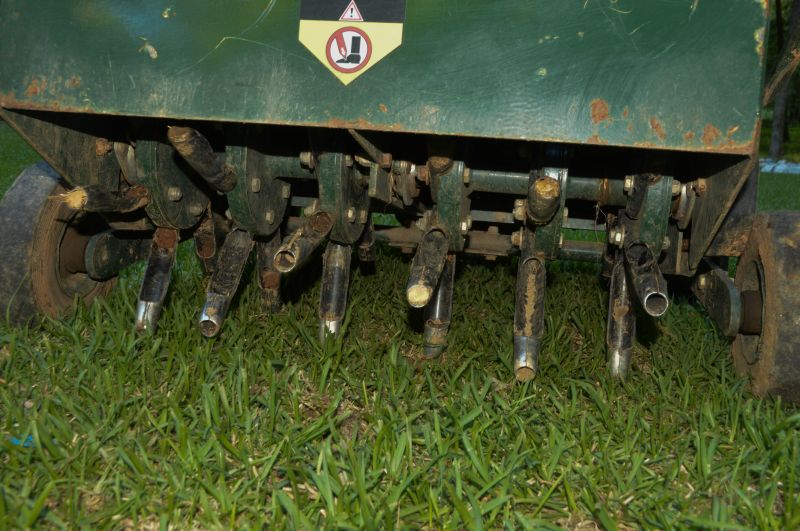
Technician preparing machinery for effective soil perforation.
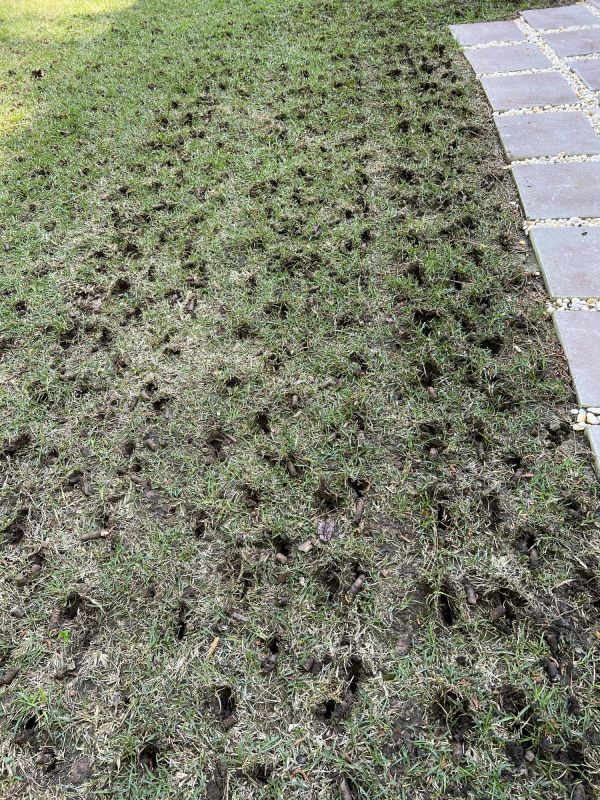
Vibrant turf showing improved growth after aeration.
Interested in revitalizing a residential lawn through professional aeration? Filling out the contact form can provide a tailored quote and schedule a service that meets specific yard needs. Expert landscapers can assess the lawn's condition and recommend the most effective aeration plan. Investing in professional services ensures proper technique and optimal timing, leading to a healthier, more attractive yard. Take the first step toward a lush, resilient lawn by reaching out today.