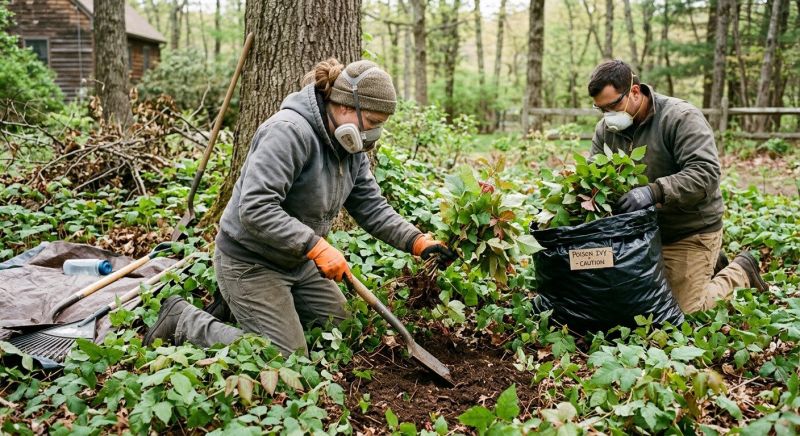
Poison Oak Removal in Doylestown, PA
Poison oak removal services are designed to safely eliminate this invasive and potentially irritating plant from residential properties. These services typically cover a range of projects, including clearing poison oak from yards, garden beds, fence lines, and other outdoor areas where the plant may grow densely or pose a risk to residents and visitors. Property owners often seek this service to prevent skin irritation, reduce the spread of the plant, and maintain safe outdoor spaces for family activities, gardening, or landscaping projects.
Before requesting poison oak removal, property owners usually want to understand the extent of the infestation, whether the plant is growing in hard-to-reach areas, and if any safety precautions will be taken during the process. It’s also helpful to know if removal involves complete eradication or if ongoing maintenance might be recommended to prevent regrowth. Clear communication about the scope of work and safety considerations can help ensure the project meets the specific needs of the property.
Many property owners in Doylestown, PA look into Poison Oak Removal for repairs, replacements, upgrades, and appearance-related improvements.
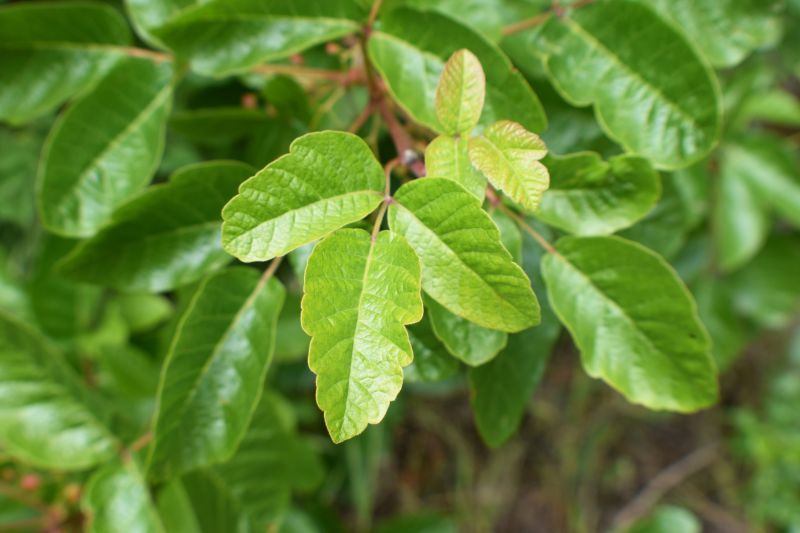
Poison Oak Identification
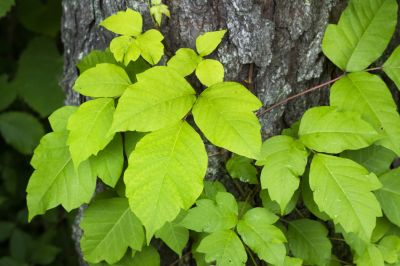
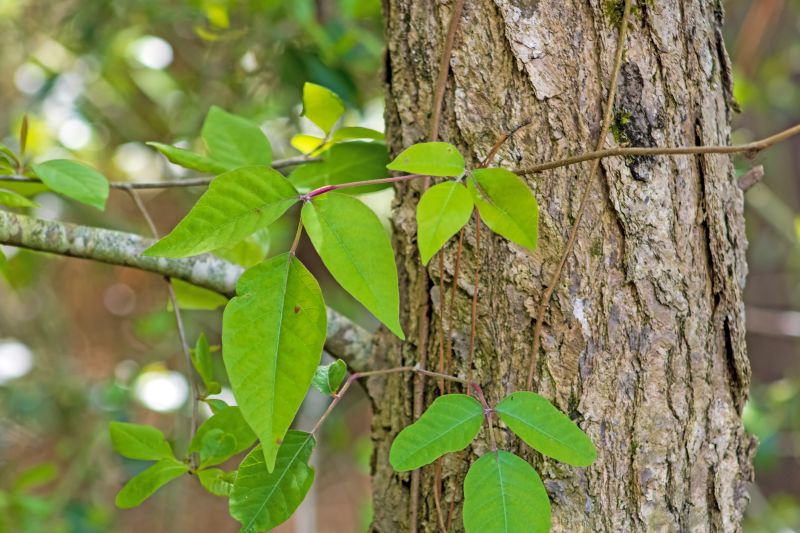
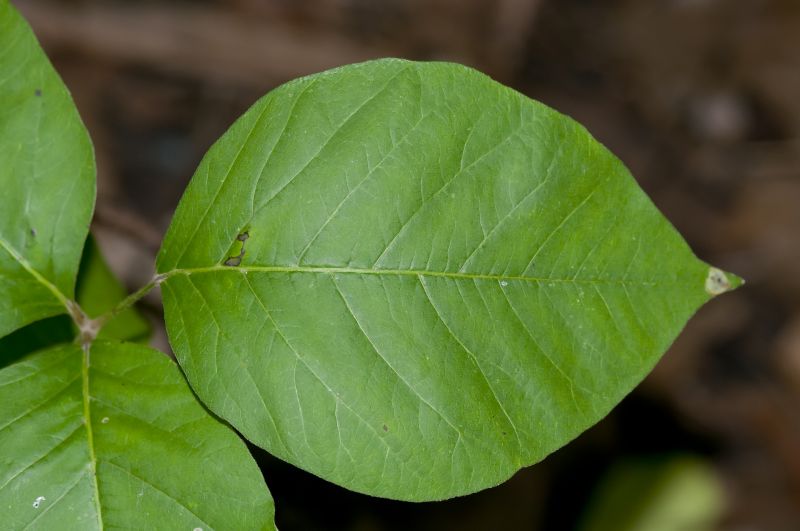
Recognizing poison oak is essential for safe removal and prevention.
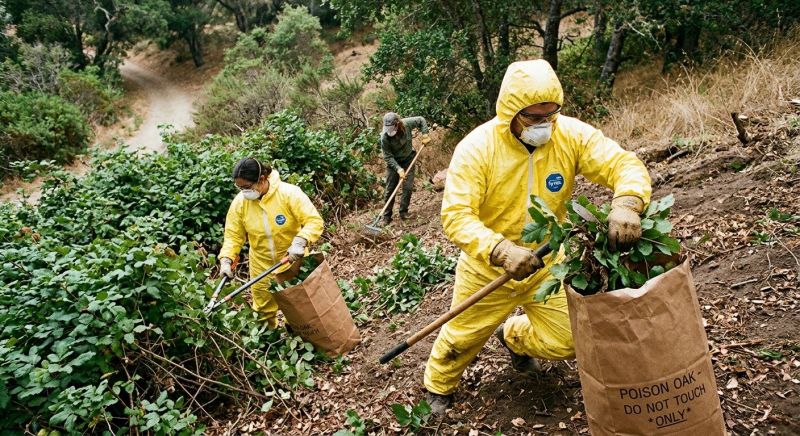
Safety Precautions
Proper protective gear helps prevent skin irritation during removal projects.
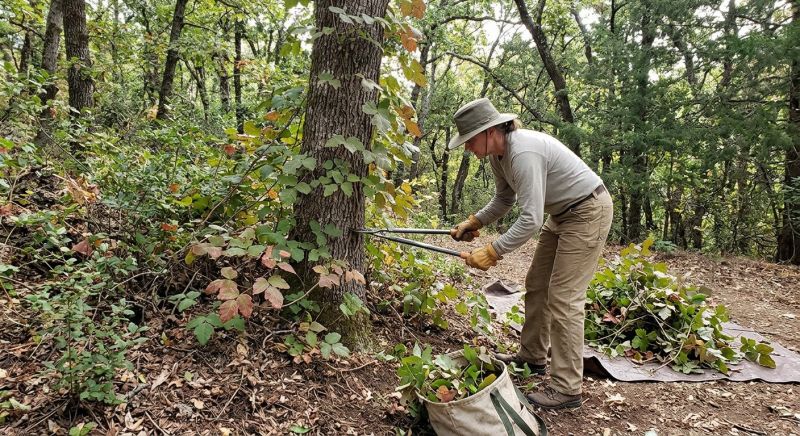
Property Maintenance
Removing poison oak helps keep yards safe and accessible for outdoor activities.
Poison Oak Removal in Doylestown, PA

Poison oak removal services are designed to safely eliminate this invasive and potentially irritating plant from residential properties. These services typically cover a range of projects, including clearing poison oak from yards, garden beds, fence lines, and other outdoor areas where the plant may grow densely or pose a risk to residents and visitors. Property owners often seek this service to prevent skin irritation, reduce the spread of the plant, and maintain safe outdoor spaces for family activities, gardening, or landscaping projects.
Before requesting poison oak removal, property owners usually want to understand the extent of the infestation, whether the plant is growing in hard-to-reach areas, and if any safety precautions will be taken during the process. It’s also helpful to know if removal involves complete eradication or if ongoing maintenance might be recommended to prevent regrowth. Clear communication about the scope of work and safety considerations can help ensure the project meets the specific needs of the property.
Many property owners in Doylestown, PA look into Poison Oak Removal for repairs, replacements, upgrades, and appearance-related improvements.
Common Poison Oak Removal Jobs
Poison Oak Removal - Clearing poison oak from yards to prevent skin irritation and health risks.
Yard Clearing - Removing poison oak bushes to improve outdoor safety and aesthetics.
Property Maintenance - Managing overgrown areas containing poison oak to reduce hazards.
Vegetation Control - Targeted removal of poison oak to protect children and pets.
Landscape Clearing - Safely eliminating poison oak from garden and lawn areas.
Hazardous Plant Removal - Addressing poison oak growth in difficult-to-reach spots for safety.
Poison Oak Removal Questions
What is poison oak removal? Poison oak removal involves safely eliminating the plant from residential or commercial properties to reduce health risks and prevent spreading.
Why remove poison oak from a property? Removing poison oak helps prevent skin irritation and allergic reactions for anyone accessing the area, and keeps the landscape safe.
What areas are typically targeted for poison oak removal? Common areas include yards, trails, fence lines, and around outdoor structures where the plant may grow unnoticed.
How is poison oak removed safely? Removal usually involves careful cutting, uprooting, and disposal to prevent spreading and exposure to skin or eyes.
Request Poison Oak Removal in Doylestown, PA
Use the quote form on this page to share the basics of your project and request more information for the type of work you need.