Get Residential Lawn Aeration
Residential lawn aeration services involve local contractors removing soil plugs to improve grass health, reduce compaction, and enhance water and nutrient absorption.
Property owners exploring lawn care enhancements often consider aeration as a practical step to improve turf health and appearance. Residential lawn aeration services help alleviate soil compaction, enhance nutrient absorption, and promote stronger root growth, contributing to a lush and resilient yard. For those planning landscape improvements or seeking long-term lawn vitality, connecting with experienced local contractors can provide tailored solutions suited to specific yard conditions and maintenance goals.
By comparing options from trusted local service providers, property owners can find the right expertise to address their lawn’s unique needs. Whether aiming to revive a tired lawn or prepare for seasonal changes, understanding the benefits of professional aeration and consulting with local contractors ensures informed decisions. Keep reading to discover how local pros can help achieve a healthier, more vibrant outdoor space.
- Residential lawn aeration - needed when soil compaction restricts grass root growth and healthy turf development.
- Spring lawn care - requires aeration to promote strong, lush growth after winter dormancy.
- Overseeding projects - benefit from aeration to improve seed-to-soil contact and establish new grass.
- Thatch removal - often involves aeration to reduce thatch buildup and improve water and nutrient absorption.
- Heavy foot traffic areas - may need aeration to alleviate soil compaction caused by frequent use.
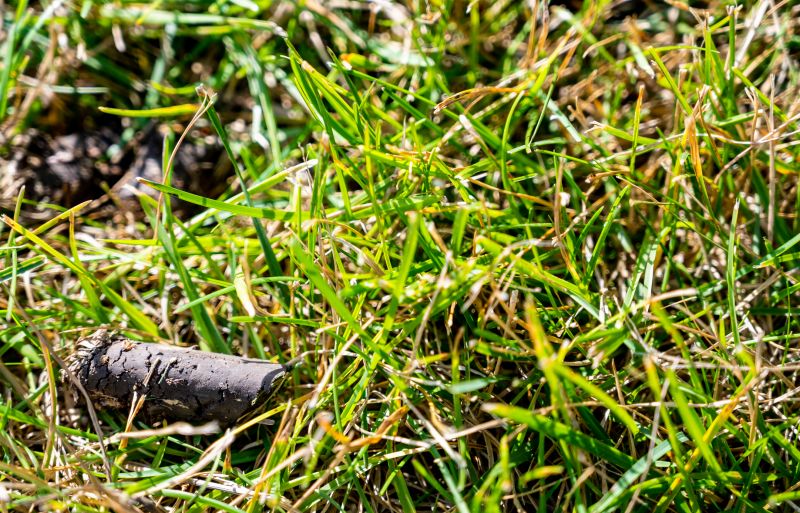
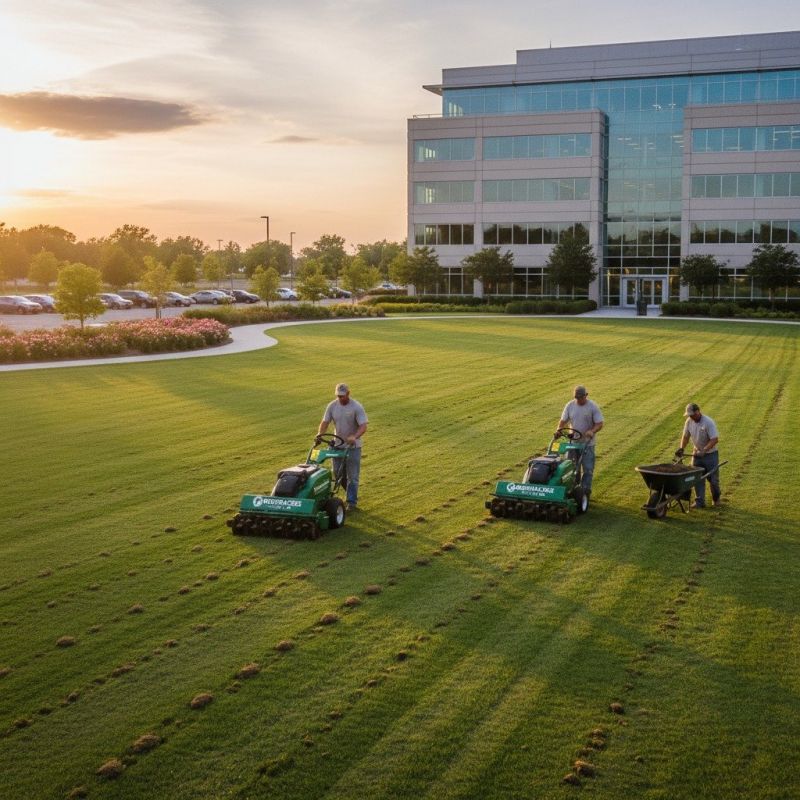
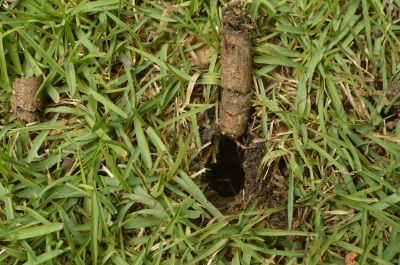
Residential lawn aeration services involve creating small holes or channels in the soil to improve its health and vitality. This process typically uses specialized equipment to remove plugs of soil from the turf, allowing air, water, and nutrients to penetrate more deeply into the roots. Aeration helps break up compacted soil, which can become dense over time due to foot traffic, heavy equipment, or natural settling. By enhancing soil permeability, aeration promotes a stronger, more resilient lawn that can better withstand drought, disease, and heavy use.
Many common lawn problems can be addressed through professional aeration services. Lawns that appear thin, patchy, or have areas of standing water after rain may be suffering from soil compaction or poor drainage. Aeration can reduce thatch buildup-an accumulation of dead grass and roots-that prevents proper nutrient absorption. Additionally, lawns showing signs of stress during hot or dry periods often benefit from increased airflow and water penetration, helping the grass roots stay healthier and more vigorous.
Properties that typically utilize lawn aeration services include residential homes with large yards, landscaped gardens, and properties with high foot traffic or outdoor recreation areas. Even smaller lawns can benefit, especially if they have compacted soil or persistent drainage issues. Homeowners who are preparing their lawns for overseeding or fertilization often find aeration to be an essential step to maximize the effectiveness of these treatments. Regular aeration can be a key part of ongoing lawn care, leading to a thicker, greener, and more durable turf.
Homeowners should consider lawn aeration if their grass appears to be struggling despite regular watering and fertilization. Signs include areas that are thin or patchy, water pooling or runoff, or lawns that seem to dry out quickly. Aeration is especially helpful for lawns that experience heavy use, have clay soil, or show persistent compaction problems. By connecting with local contractors who specialize in lawn aeration, homeowners can find tailored solutions to improve their yard’s health and appearance, ensuring a lush and vibrant outdoor space.
The overview below groups typical Residential Lawn Aeration projects into broad ranges so you can see how smaller, mid-sized, and larger jobs often compare in your area.
In many markets, a large share of routine jobs stays in the lower and middle ranges, while only a smaller percentage of projects moves into the highest bands when the work is more complex or site conditions are harder than average.
Smaller Jobs - Residential lawn aeration for small to medium-sized lawns typically costs between $250 and $600. Many routine projects fall within this range, depending on the size and condition of the yard. Larger or more complex jobs may exceed this range, but are less common.
Standard Services - For average-sized residential lawns, local contractors often charge between $300 and $800. This range covers most regular aeration projects and provides a good estimate for typical yard sizes and soil conditions. Prices can vary based on accessibility and additional services needed.
Large or Complex Projects - Larger properties or those requiring special equipment can see costs from $1,000 to $2,500. These projects are less frequent and usually involve extensive work or challenging terrain, which can increase the overall price.
Full Lawn Renovation - Complete lawn renovation, including aeration as part of a broader overhaul, can range from $3,000 to $5,000 or more. Such projects are less common and typically involve multiple services beyond aeration, impacting the overall cost.
Actual totals will depend on details like access to the work area, the scope of the project, and the materials selected, so use these as general starting points rather than exact figures.
Soil Testing and Preparation - Local contractors may perform soil testing and preparation to ensure proper conditions for healthy lawn growth, similar to the planning involved in aeration projects.
Lawn Topdressing Services - Applying soil or compost to lawns requires knowledge of soil health and proper spreading techniques, paralleling the skills used in aeration services.
Core Lawn Dethatching - Removing thatch buildup involves similar equipment and planning as aeration, helping improve lawn air circulation and nutrient absorption.
Overseeding Projects - Overseeding involves preparing the soil and planting grass seeds, which often follows aeration to enhance seed-to-soil contact and germination success.
Landscape Grading and Soil Leveling - Grading and leveling require understanding soil properties and planning, akin to the groundwork involved in aeration services.
Drainage Improvement Services - Installing or repairing drainage systems involves soil assessment and planning, sharing technical skills with lawn aeration projects.
When evaluating potential service providers for residential lawn aeration, it’s important to consider their experience with similar projects. Homeowners should inquire about how long the contractor has been performing lawn aeration and whether they have worked on properties with comparable grass types, soil conditions, or yard sizes. A contractor with a proven track record in handling projects like yours is more likely to understand the specific needs of your lawn and deliver results that meet expectations. This background can help ensure that the service provider is familiar with best practices and common challenges associated with aeration in your area.
Clear, written expectations are essential when comparing local contractors for lawn aeration services. Homeowners should seek detailed descriptions of the scope of work, including what the process entails, the equipment used, and any preparation or follow-up steps required. Having this information in writing helps prevent misunderstandings and provides a basis for evaluating whether a contractor’s approach aligns with what is needed for your lawn. Transparent communication about the services offered allows homeowners to make more informed decisions and select a provider who clearly understands and can meet their specific lawn care goals.
Reputable references and effective communication are key factors when choosing local service providers for lawn aeration. Homeowners are encouraged to ask for references from past clients or to seek out reviews that speak to the contractor’s reliability and quality of work. Good communication throughout the process-such as prompt responses to questions and clarity about procedures-can significantly impact the overall experience. While the site introduces homeowners to local options, it’s important to remember that it does not perform the work itself; rather, it helps connect property owners with trusted local contractors who can handle the job professionally and efficiently.
Property owners use Residential Lawn Aeration services for practical projects around their homes and businesses. This guide focuses on everyday jobs and straightforward project options.
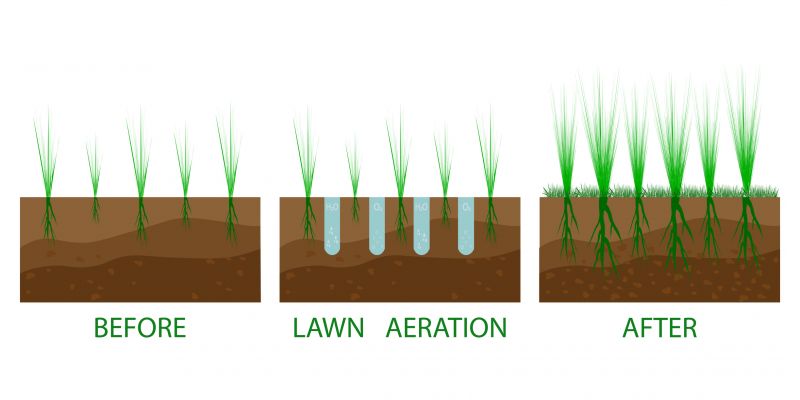
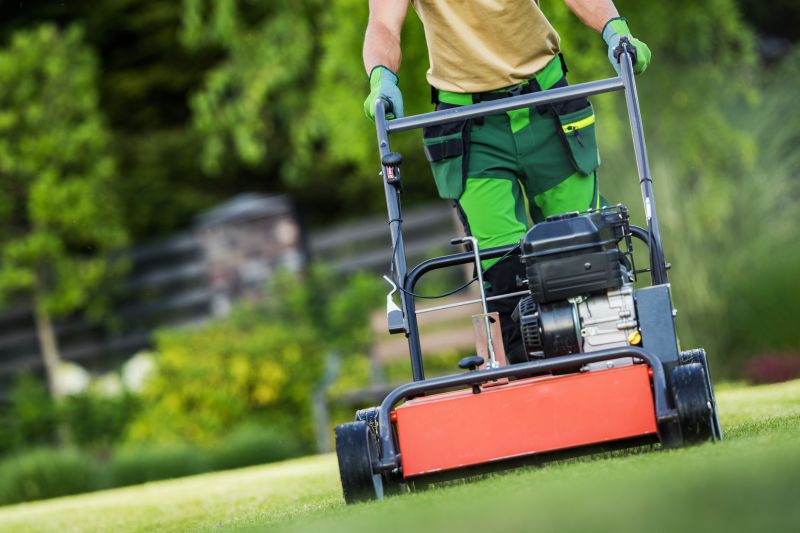
Residential lawn aeration services are often sought by property owners dealing with compacted soil or uneven grass growth. Over time, foot traffic, weather conditions, and regular lawn use can cause soil to become dense, making it harder for roots to access essential nutrients and water. Local contractors offering aeration can help improve soil health, resulting in a greener, healthier lawn that looks better and feels softer underfoot.
Homeowners might also look for aeration services to prepare their lawns for seasonal changes or new planting projects. Aerating the soil can promote better drainage and reduce thatch buildup, which can hinder grass growth. Local service providers can handle these projects efficiently, helping property owners maintain a vibrant and resilient lawn throughout the year.
What is lawn aeration and why is it important? Lawn aeration involves creating small holes in the soil to improve air, water, and nutrient penetration, promoting healthier grass growth.
How does lawn aeration benefit my residential yard? Aeration helps reduce soil compaction, enhances root development, and can lead to a thicker, more vibrant lawn.
What types of aeration services do local contractors offer? Local service providers typically offer core aeration, which removes plugs of soil, and spike aeration, which pokes holes into the ground.
Is lawn aeration suitable for all grass types? Most common grass types benefit from aeration, especially during active growing seasons, but it's best to consult with local pros for specific recommendations.
How often should residential lawns be aerated? Most lawns benefit from aeration once or twice a year, depending on soil condition and grass type, which local contractors can advise on.
Improve Lawn Health - Lawn aeration can help property owners maintain a lush, healthy yard by reducing soil compaction and promoting better nutrient absorption.
Prepare for Seeding or Overseeding - Aerating the soil creates ideal conditions for new grass to establish more effectively during planting projects.
Reduce Thatch Buildup - This service can help break down excess thatch, preventing it from suffocating grass roots and improving overall turf quality.
Address Soil Compaction - Property owners experiencing heavy foot traffic or machinery use can use aeration to loosen compacted soil and support stronger root growth.
If you are thinking about Residential Lawn Aeration for a property, this guide is meant to help you understand the work, the typical project types, and how different options might fit your plans.
When you are ready, you can use the quote form on this page to share a few details about your project. From there, local pros can review the basics and respond with options that match what you have in mind.