Get Dethatching in Charleston, SC
Dethatching services offered by local contractors in Charleston, SC, help remove dead grass and thatch buildup to improve lawn health and prepare for seeding or fertilizing projects.
Dethatching services are an important step in maintaining a healthy and attractive lawn, especially for property owners in Charleston, SC, where lush grass can enhance curb appeal and overall landscape health. Over time, thatch-a layer of dead grass, roots, and debris-can build up, preventing water, nutrients, and air from reaching the soil. Addressing this issue through professional dethatching can promote a stronger, more vibrant yard, making it easier to care for and enjoy.
For those planning landscaping projects or seeking to improve the condition of their outdoor spaces, exploring local contractors who specialize in dethatching can provide valuable options. Comparing different service providers in Charleston and nearby areas helps ensure that property owners find experienced, reliable professionals suited to their specific needs. Continuing to read can help identify the right local experts to support a well-maintained lawn and a beautiful property.
- Residential properties - Dethatching services are needed when excessive thatch buildup begins to affect lawn health in neighborhoods across Charleston, SC.
- Commercial landscapes - Businesses in areas like West Ashley or Mount Pleasant may require dethatching to maintain attractive, healthy turf for customers and employees.
- Sports fields and parks - Local contractors can help prepare athletic fields and public parks by removing thick thatch layers that hinder grass growth.
- New lawn installations - Freshly established lawns often benefit from dethatching to promote strong root development and even growth.
- Overgrown or neglected lawns - Property owners with lawns that have become patchy or uneven may need dethatching to restore a healthy, lush appearance.
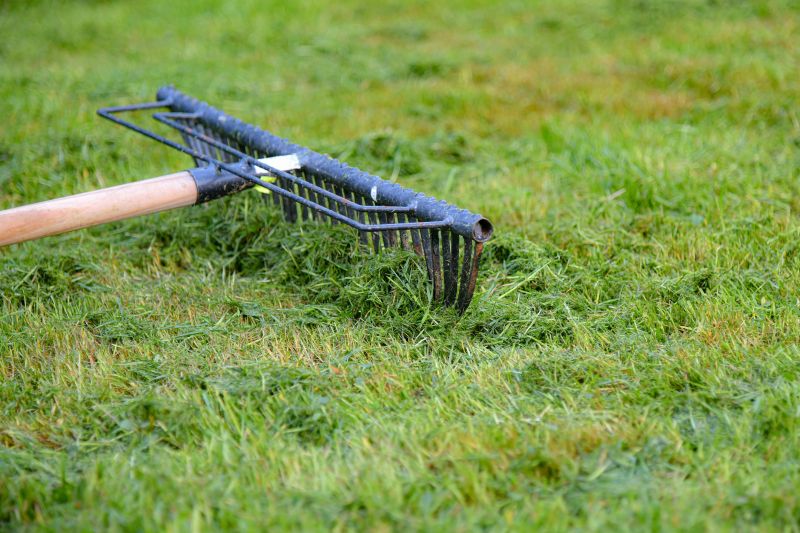
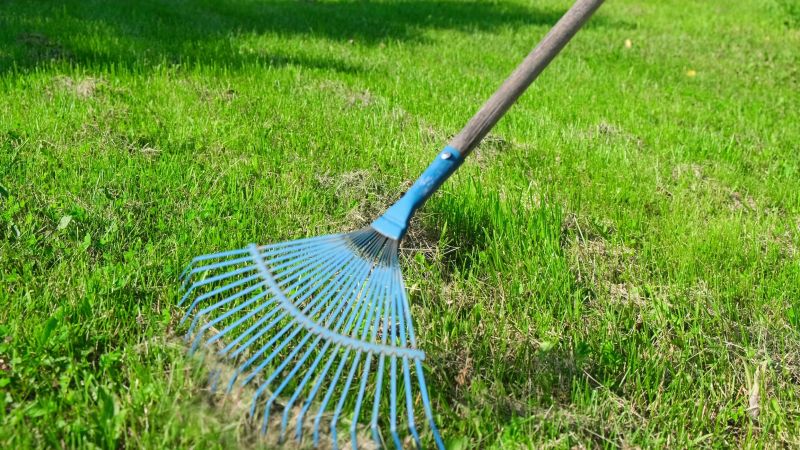
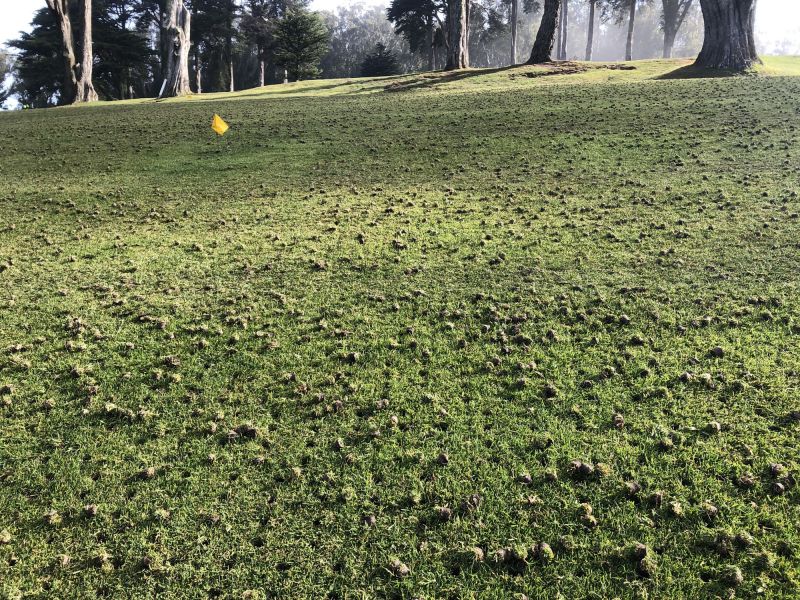
Dethatching services involve the removal of a layer of thatch-composed of dead grass, roots, and other organic matter-that accumulates between the grass and soil surface. Over time, this buildup can prevent water, nutrients, and air from reaching the grass roots, leading to a less healthy, patchy lawn. Professional dethatching helps restore proper lawn health by clearing away this layer, allowing the grass to breathe and absorb essential nutrients more effectively. This process is typically performed using specialized dethatching tools or machines that gently lift and remove the excess thatch without damaging the underlying grass.
Many common lawn problems can be addressed through dethatching, especially when the thatch layer becomes thick or compacted. Signs that a lawn might need dethatching include standing water after rain, a spongy feel underfoot, or areas where grass appears thin or patchy. Dethatching can also improve the effectiveness of fertilization and aeration efforts, resulting in a more vibrant and resilient lawn. Homeowners often turn to local contractors for this service when their grass struggles to recover from drought, disease, or heavy foot traffic, as removing excess thatch helps promote healthier growth and reduces pest or disease issues.
Dethatching is suitable for a variety of property types, including single-family homes, multi-unit residential complexes, and commercial landscapes. It is particularly beneficial for lawns that see frequent use or have experienced neglect, leading to thatch buildup over time. Properties in regions with humid or rainy climates, like Charleston and nearby areas, often find dethatching essential for maintaining a lush, green yard. Whether a homeowner wants to rejuvenate a tired lawn or a property manager needs to keep a commercial landscape looking its best, local service providers can tailor dethatching solutions to meet specific needs and ensure optimal lawn health.
Homeowners who notice their grass is not responding well to watering or fertilizing, or if the lawn feels spongy and waterlogged, may need professional dethatching. This service can also help prepare a lawn for overseeding or aeration, making it easier for new grass to establish and thrive. Dethatching is an effective step in routine lawn care for properties that want to improve the appearance and vitality of their yard. Contacting experienced local contractors can provide the expertise needed to assess the condition of a lawn and determine if dethatching is the right solution to restore its health and beauty.
The overview below groups typical Dethatching projects into broad ranges so you can see how smaller, mid-sized, and larger jobs often compare in Charleston, SC.
In many markets, a large share of routine jobs stays in the lower and middle ranges, while only a smaller percentage of projects moves into the highest bands when the work is more complex or site conditions are harder than average.
Smaller Repairs - Basic dethatching jobs, such as addressing patchy or thin turf, typically cost between $250 and $600. Many routine projects fall within this range, depending on the size of the lawn and the severity of thatch buildup.
Medium-Sized Projects - Larger lawns or more extensive dethatching work can range from $600 to $1,200. These projects often involve more thorough removal and may include additional lawn care services, which are common for regular maintenance.
Full Lawn Dethatching - Complete dethatching of an average-sized yard usually costs between $1,200 and $2,500. Such projects are less frequent but are necessary for heavily thatched lawns needing significant restoration.
Large or Complex Jobs - Very large or complicated dethatching projects, especially those requiring specialized equipment or multiple visits, can exceed $3,000 and reach $5,000 or more. These are typically less common but are handled by experienced local contractors for extensive lawn renovation.
Actual totals will depend on details like access to the work area, the scope of the project, and the materials selected, so use these as general starting points rather than exact figures.
Lawn aeration services - these projects require knowledge of soil health and the use of specialized equipment similar to dethatching to improve turf growth.
Grass overseeding projects - overseeding involves preparing the soil and spreading seed, which aligns with the planning and surface preparation skills used in dethatching.
Garden bed renovation - revitalizing garden beds involves soil preparation and debris removal, akin to the processes in dethatching services.
Landscape grading and leveling - these projects require understanding of soil and surface management, similar to the skills needed for dethatching lawns.
Storm damage yard cleanup - clearing debris and restoring yard surfaces involves similar planning and equipment use as dethatching services.
Soil remediation and aeration - these projects focus on improving soil conditions, paralleling the techniques used in dethatching to promote healthy turf.
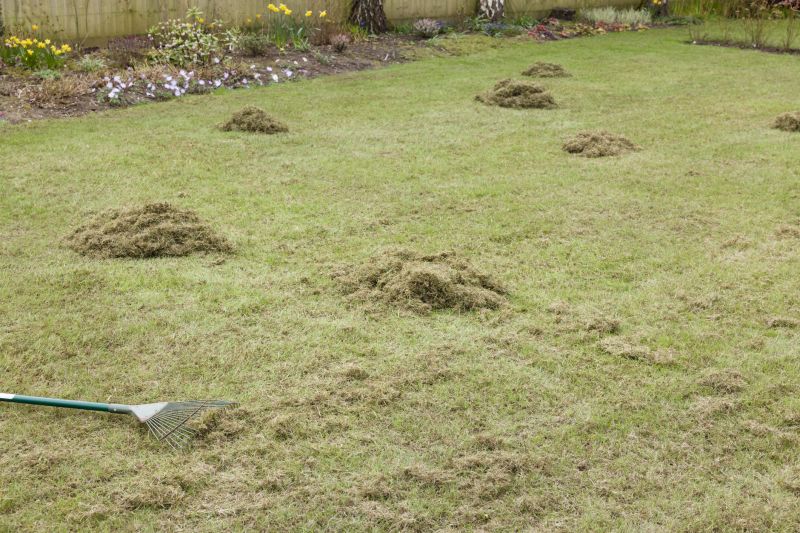
When selecting a contractor for dethatching services, it’s important to consider their experience with similar projects. Homeowners should inquire about how long a service provider has been performing lawn dethatching and whether they have handled properties comparable in size and type. An experienced local contractor will have a better understanding of the specific grass types and soil conditions common in Charleston, SC, which can influence the effectiveness of the dethatching process. Asking for examples of past work or references related to similar projects can help gauge their familiarity with the job and their ability to deliver quality results.
Clear written expectations are essential to ensure that both the homeowner and the service provider are aligned on the scope of work. Homeowners should seek detailed descriptions of what the dethatching process includes, such as the methods used, the areas covered, and any post-service care recommendations. Having this information in writing helps prevent misunderstandings and provides a reference point for evaluating the completed work. Service providers who offer thorough, transparent explanations demonstrate professionalism and a commitment to clear communication, which can contribute to a smoother experience.
Reputable references and effective communication are key indicators of a trustworthy local contractor. Homeowners are encouraged to ask for references from previous clients who had similar dethatching projects and to verify the quality of their work. Good communication involves timely responses, clarity in explaining procedures, and openness to questions or concerns. Service providers who prioritize clear, consistent communication and have positive references are more likely to provide a reliable and professional experience. It’s important to remember that this site introduces homeowners to local options capable of handling the project, rather than performing the work directly.
Property owners in Charleston, SC use Dethatching services for practical projects around their homes and businesses. This guide focuses on everyday jobs and straightforward project options.
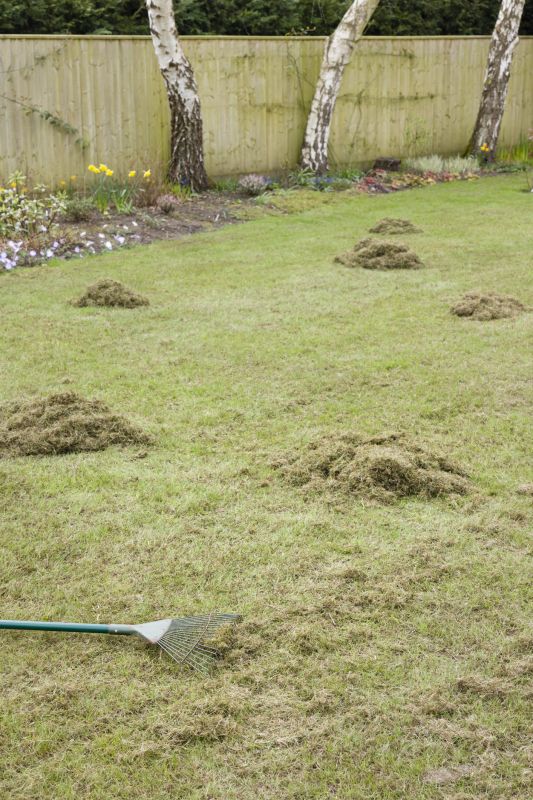
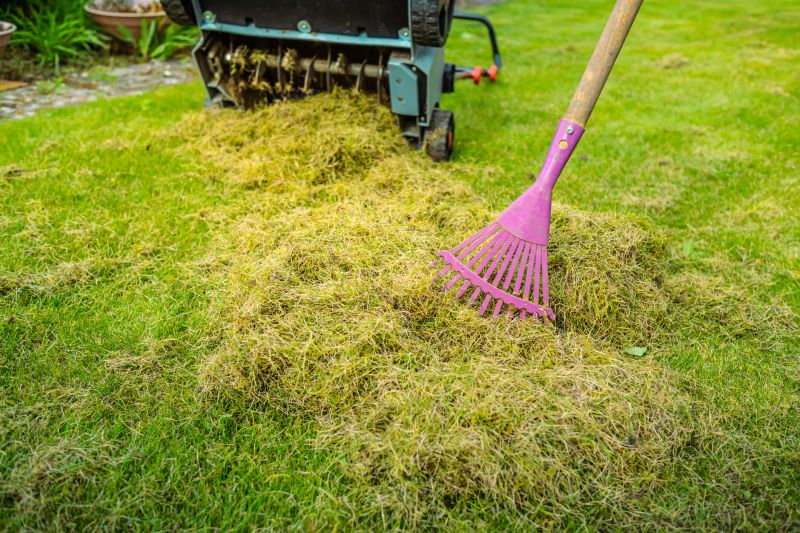
Dethatching services are often needed when the grass on a property in Charleston begins to look thick, spongy, or uneven. Over time, a layer of dead grass, roots, and other organic material can build up on the lawn’s surface, preventing water, air, and nutrients from reaching the soil. This can lead to a patchy or unhealthy appearance, especially after heavy rains or during periods of drought common in the region. Property owners might seek out local contractors to remove this buildup and restore the lawn’s natural health and appearance.
In addition, many Charleston residents look for dethatching services when preparing their yards for the growing season or trying to improve overall lawn quality. Lawns that haven’t been maintained regularly can develop thatch layers that hinder healthy growth. Local service providers can help by aerating and dethatching, making it easier for grass roots to access essential elements and encouraging a lush, vibrant yard. These projects are typical for homeowners wanting to maintain a beautiful outdoor space or address specific lawn issues.
What is dethatching and why is it needed? Dethatching is the process of removing excess thatch buildup-dead grass, roots, and debris-that can hinder healthy lawn growth. Local contractors perform dethatching to improve air, water, and nutrient penetration into the soil.
How can I tell if my lawn needs dethatching? Signs include a spongy feel underfoot, a layer of thatch thicker than half an inch, or areas where grass is thinning or struggling to grow. Consulting with local lawn care professionals can help assess your lawn’s condition.
What tools are used for dethatching? Professionals typically use specialized dethatching rakes or machines designed to remove thatch efficiently without damaging healthy grass. Equipment choice depends on the size and condition of the lawn.
Is dethatching suitable for all types of grass? Dethatching is generally appropriate for most grass types, but the method and timing can vary. Local service providers can recommend the best approach based on your specific grass and lawn conditions.
What happens after dethatching is completed? Lawn care providers may recommend overseeding, fertilizing, or watering to promote healthy recovery and growth following the dethatching process.
Improve Lawn Health - Dethatching removes excess thatch buildup, allowing nutrients and water to reach grass roots more effectively.
Prepare for Seeding or Sodding - Removing thatch creates a better surface for new grass to establish strong roots.
Address Thatch-Related Issues - Local contractors can help manage areas where thick thatch causes poor drainage or uneven growth.
Maintain a Healthy Yard - Regular dethatching can be part of ongoing lawn care to promote lush, green grass throughout the season.
If you are thinking about Dethatching for a property in Charleston, SC, this guide is meant to help you understand the work, the typical project types, and how different options might fit your plans.
When you are ready, you can use the quote form on this page to share a few details about your project. From there, local pros can review the basics and respond with options that match what you have in mind.