Optimal Timing for Lawn Dethatching
Dethatching is a lawn maintenance process that involves removing the layer of thatch—composed of dead grass, roots, and debris—that accumulates between the soil and the grass blades. Proper timing ensures optimal results, promoting healthy turf growth and preventing issues like disease and poor drainage. The best time for dethatching depends on the type of grass and regional climate conditions.
Ideal for cool-season grasses, spring dethatching helps prepare the lawn for vigorous growth during the active growing season.
Best suited for warm-season grasses, fall dethatching allows the lawn to recover before winter dormancy and promotes healthy growth in the following season.
Dethatching after the peak growing period can help remove accumulated debris and prepare the turf for seasonal changes.
Dethatching during dormancy or extreme heat can stress the grass; timing should align with active growth periods.
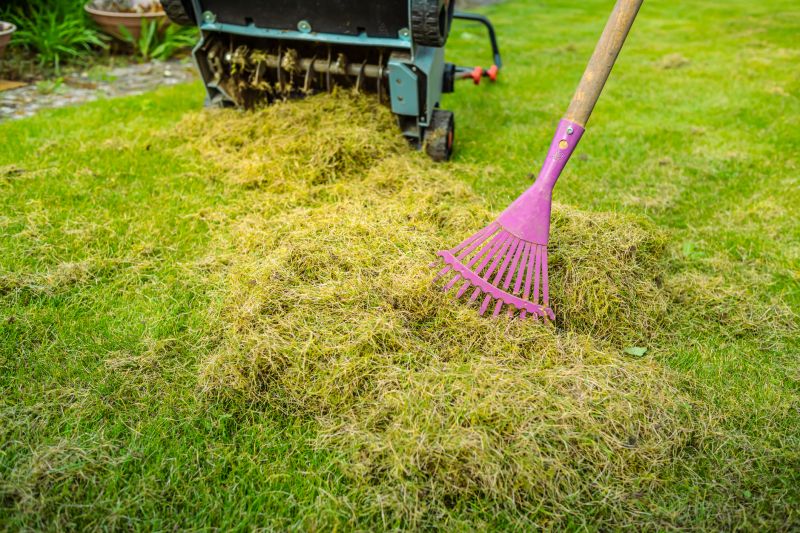
Ways to make Dethatchings work in tight or awkward layouts.
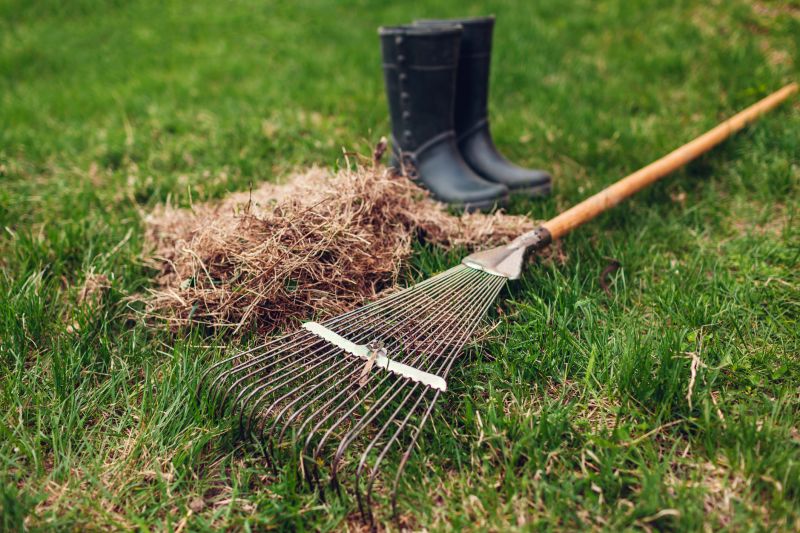
Popular materials for Dethatchings and why they hold up over time.
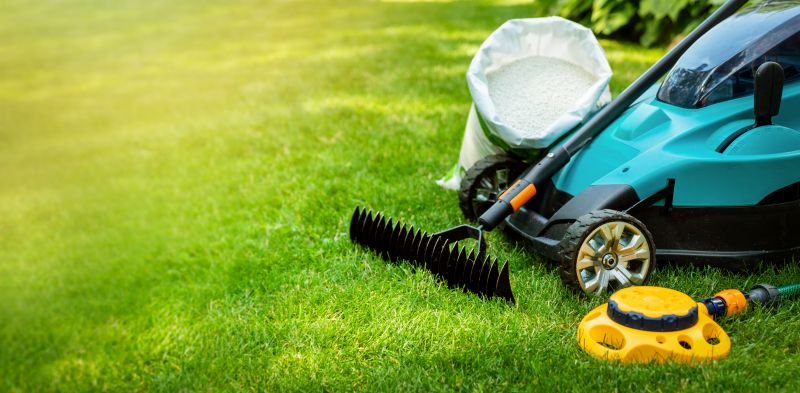
Simple add-ons that improve Dethatchings without blowing the budget.
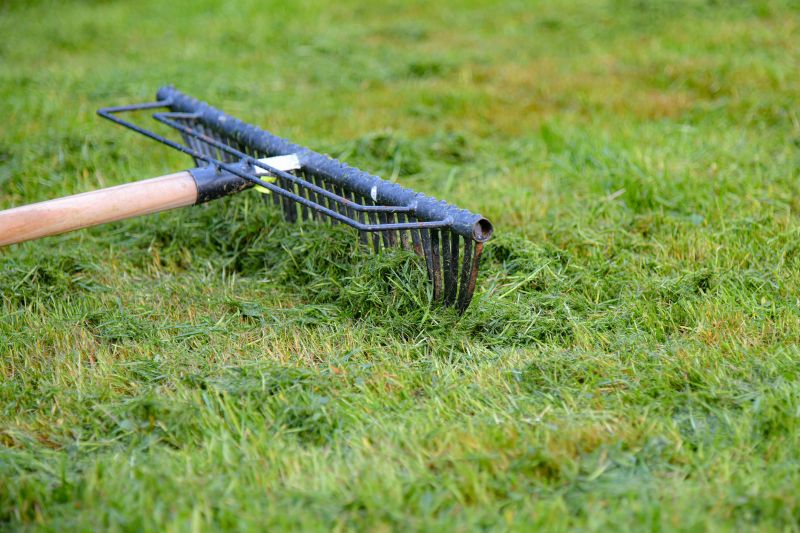
High-end options that actually feel worth it for Dethatchings.

Finishes and colors that play nicely with Dethatchings.
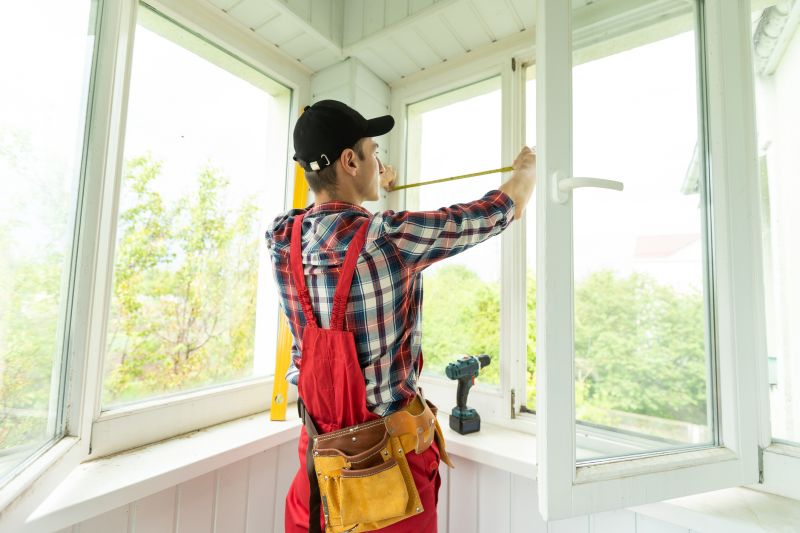
Little measurements that prevent headaches on Dethatchings day.
Dethatching is a vital lawn care practice that enhances turf health by improving air, water, and nutrient penetration. Excess thatch can lead to issues like disease susceptibility, poor drainage, and uneven growth. Regular dethatching, timed appropriately, supports a lush, resilient lawn. Statistics show that lawns with minimal thatch have better nutrient uptake and increased resistance to pests and disease, making timing a key factor in effective lawn management.
| Timing Aspect | Details |
|---|---|
| Ideal Season | Spring for cool-season grasses; fall for warm-season grasses. |
| Soil Moisture | Perform when soil is moist but not overly wet. |
| Grass Growth Stage | During active growth periods for best recovery. |
| Weather Conditions | Avoid during extreme heat or drought conditions. |
| Thatch Thickness | Remove when thatch layer exceeds 0.5 inches. |
| Frequency | Typically every 1-2 years, depending on grass type. |
| Post-Dethatching Care | Follow with aeration and fertilization. |
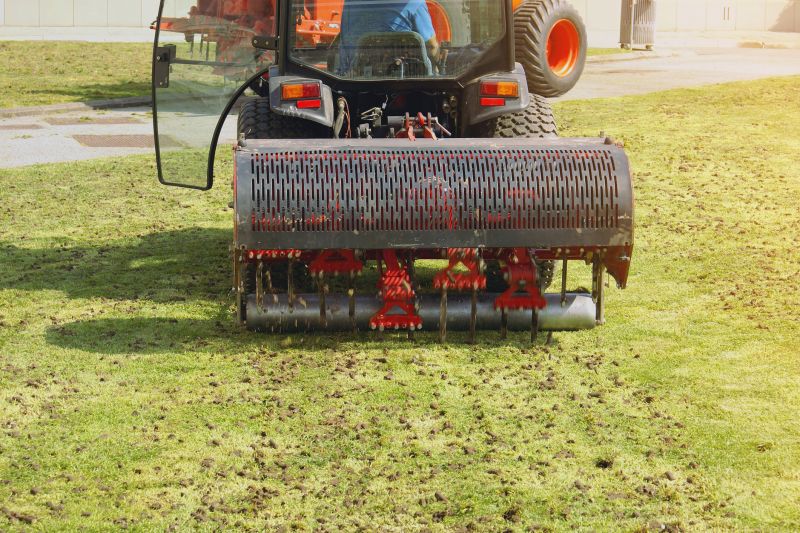
A 60-second routine that keeps Dethatchings looking new.
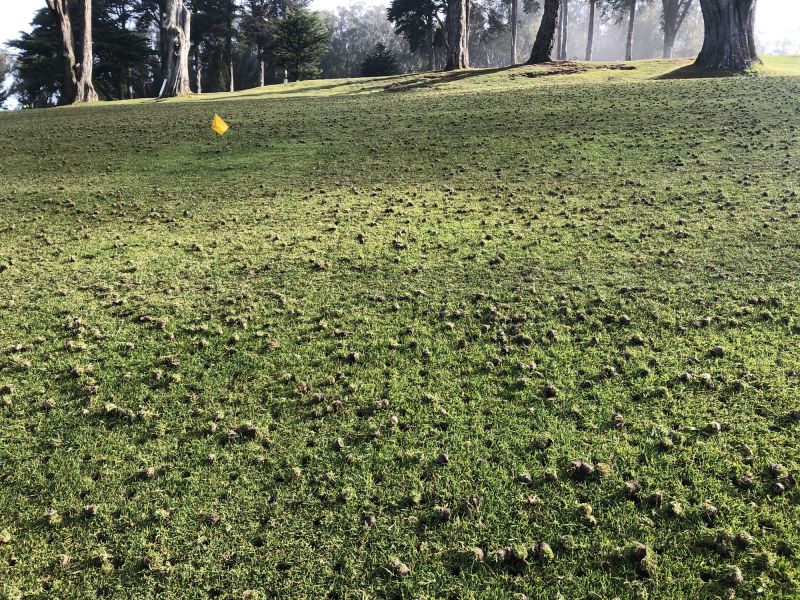
A frequent mistake in Dethatchings and how to dodge it.
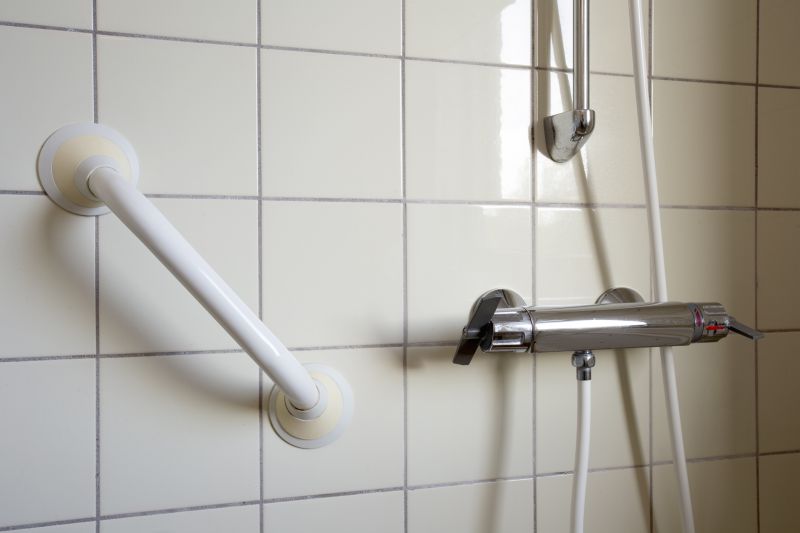
Small tweaks to make Dethatchings safer and easier to use.
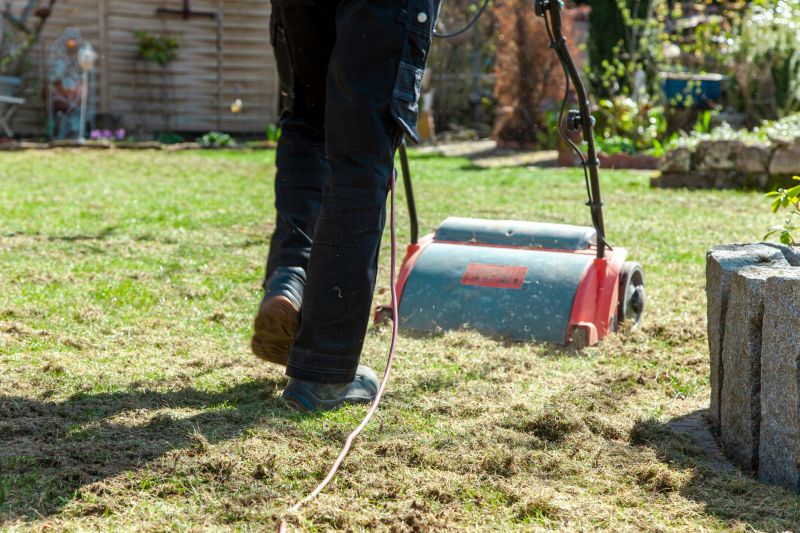
Lower-waste or water-saving choices for Dethatchings.
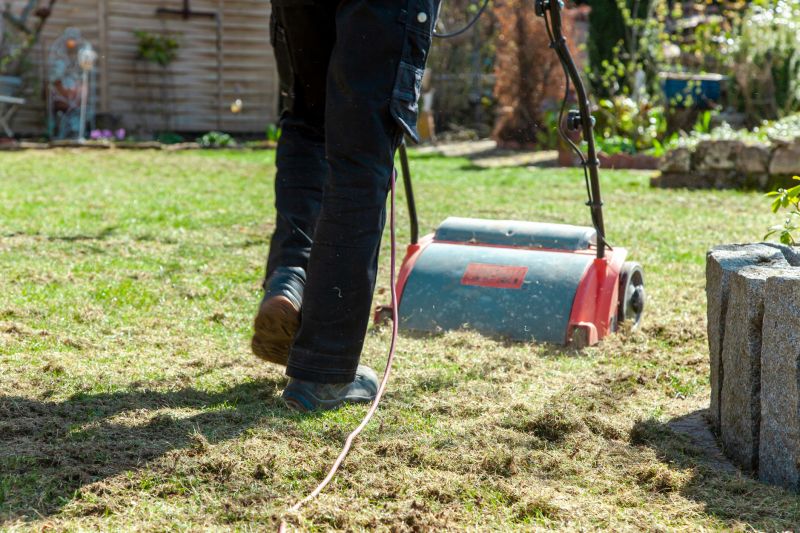
The short, realistic tool list for quality Dethatchings.
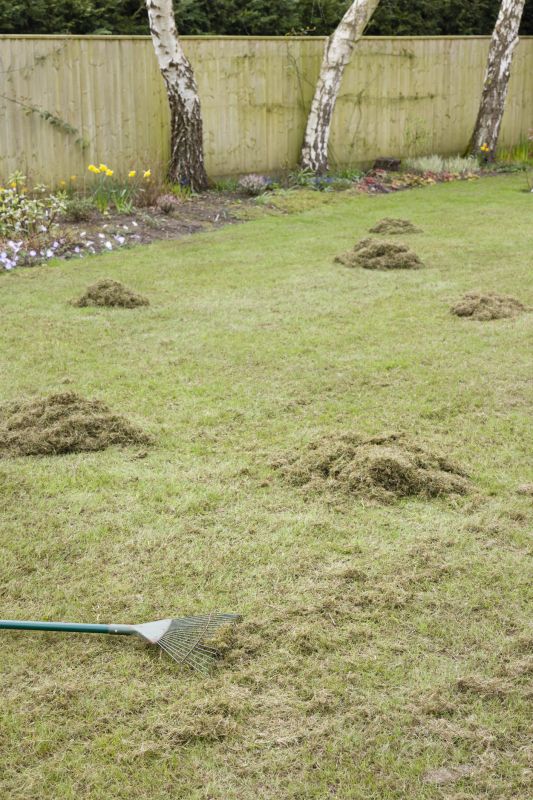
Rough timing from prep to clean-up for Dethatchings.
Understanding the optimal timing for dethatching can significantly impact lawn health and appearance. Properly scheduled dethatching enhances nutrient absorption, reduces disease risk, and promotes vigorous growth. Regular assessments of thatch thickness and soil conditions help determine the best time for intervention, leading to a healthier, more resilient turf.
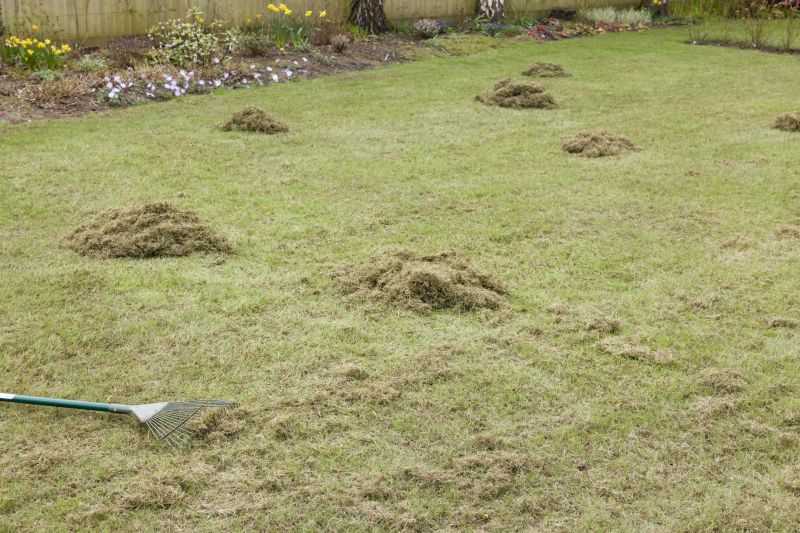
Quick checks and paperwork to keep after Dethatchings.
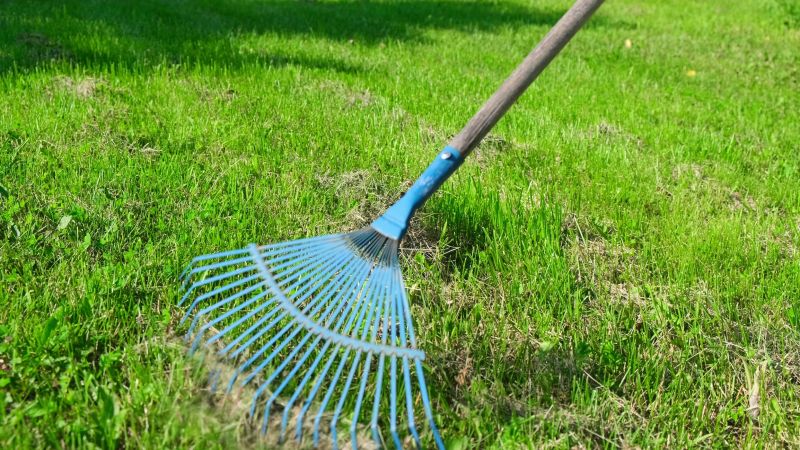
Examples that show the impact a good Dethatchings can make.
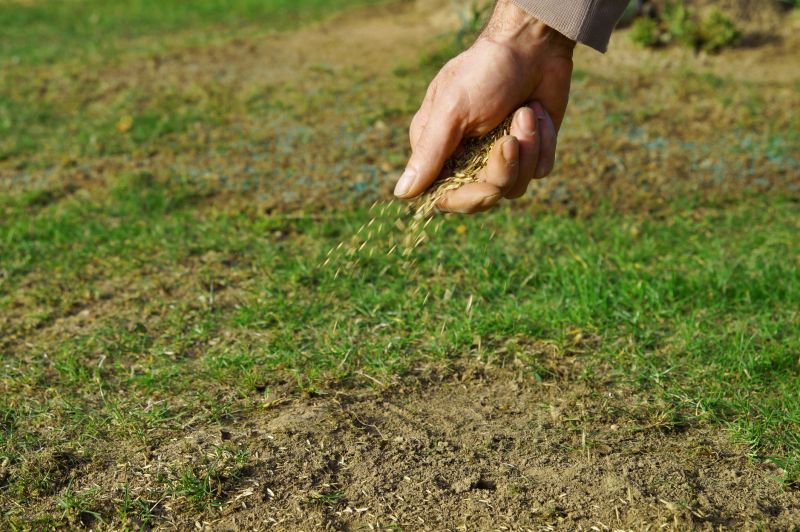
Ways to make Dethatchings work in tight or awkward layouts.
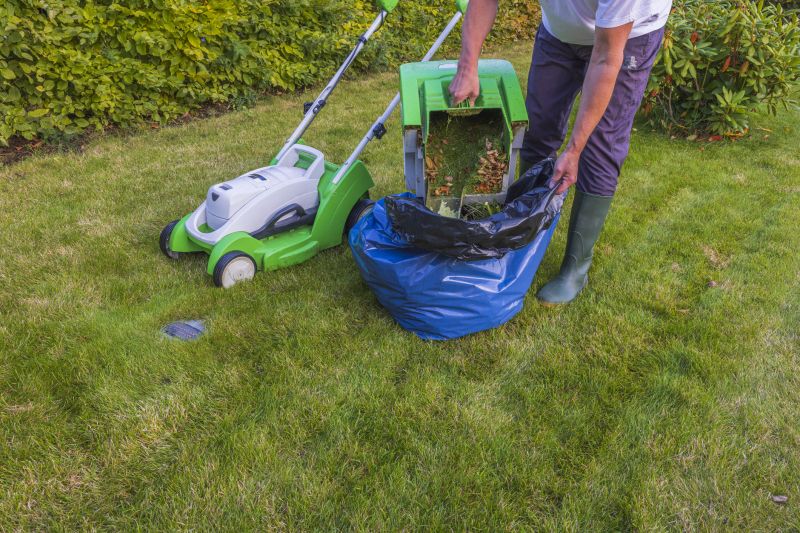
Ways to make Dethatchings work in tight or awkward layouts.
Interested in improving lawn health through proper dethatching timing? Contact for more information or to schedule a lawn assessment. Proper timing and technique can lead to a healthier, more attractive turf with less ongoing maintenance.